Buying your first espresso machine is a minefield.
You type "best espresso machine for beginners" into Google and get bombarded with 47 different recommendations. Every review site is an affiliate-mill churning out the same recycled list. And the Amazon reviews? Half the people have owned their machine for exactly three days.
We've spent months testing machines across every price point — pulling shots, steaming milk, breaking machines, and fixing them. This guide is the result of all that work.
If you want cafe-quality espresso at home without spending $3,000 or buying a dud, here's exactly what you need to know.
What to Look For in a Beginner Espresso Machine
Before we get to the machines, let's demystify the specs. These are the things that matter — and the things that don't.
What Actually Matters
Pump Pressure (Look for 9 bars, not 15)
Every cheap machine boasts "15 BAR PUMP" on the box. Ignore it. Espresso is brewed at 9 bars of pressure. Machines that claim 15 bars are usually running a vibratory pump that peaks at 15 but doesn't deliver consistent 9-bar pressure where it counts. Look for machines that advertise consistent 9-bar extraction, not maximum pump pressure.
Portafilter Size: 58mm Is the Sweet Spot
The 58mm portafilter is the commercial standard. Why does this matter? Because all the nice accessories — precision baskets, better tampers, distribution tools — are made in 58mm. If you buy a machine with a 54mm portafilter (looking at you, Breville), you're locked into a smaller ecosystem. It's not a dealbreaker for beginners, but it's worth knowing.
Thermoblock vs. Boiler vs. Dual Boiler
Thermoblock heats water on demand — fast heat-up (3-30 seconds), good enough for most beginners. Single boiler is more temperature-stable but you can't brew and steam at the same time. Dual boiler (the holy grail) lets you do both simultaneously, but starts at $1,500+. For beginners, a thermoblock or single boiler is perfectly fine.
PID Temperature Control
PID (proportional-integral-derivative) keeps water temperature stable within 1-2°F. Without PID, your brewing temperature can fluctuate by 10°F or more during a shot. Consistent temperature = consistent shots. Look for PID if you can afford it.
Steam Wand: Panarello vs. Professional
Panarello wands (with plastic sleeve) introduce air automatically — fine for cappuccinos, terrible for latte art. Professional wands (bare metal) let you control aeration for silky microfoam. If you want to learn latte art, get a professional-style steam wand.
What Doesn't Matter (Don't Pay Extra)
- • Number of programs: A machine promising "15 pre-programmed drinks!" is just adding buttons. You'll use manual mode 99% of the time.
- • Built-in grinder: Convenient, but the grinders in all-in-one machines are almost never great. You'll eventually upgrade to a standalone grinder anyway.
- • "Luxury" branding: A $200 machine with chrome accents is still a $200 machine underneath.
The 5 Best Espresso Machines for Beginners in 2026
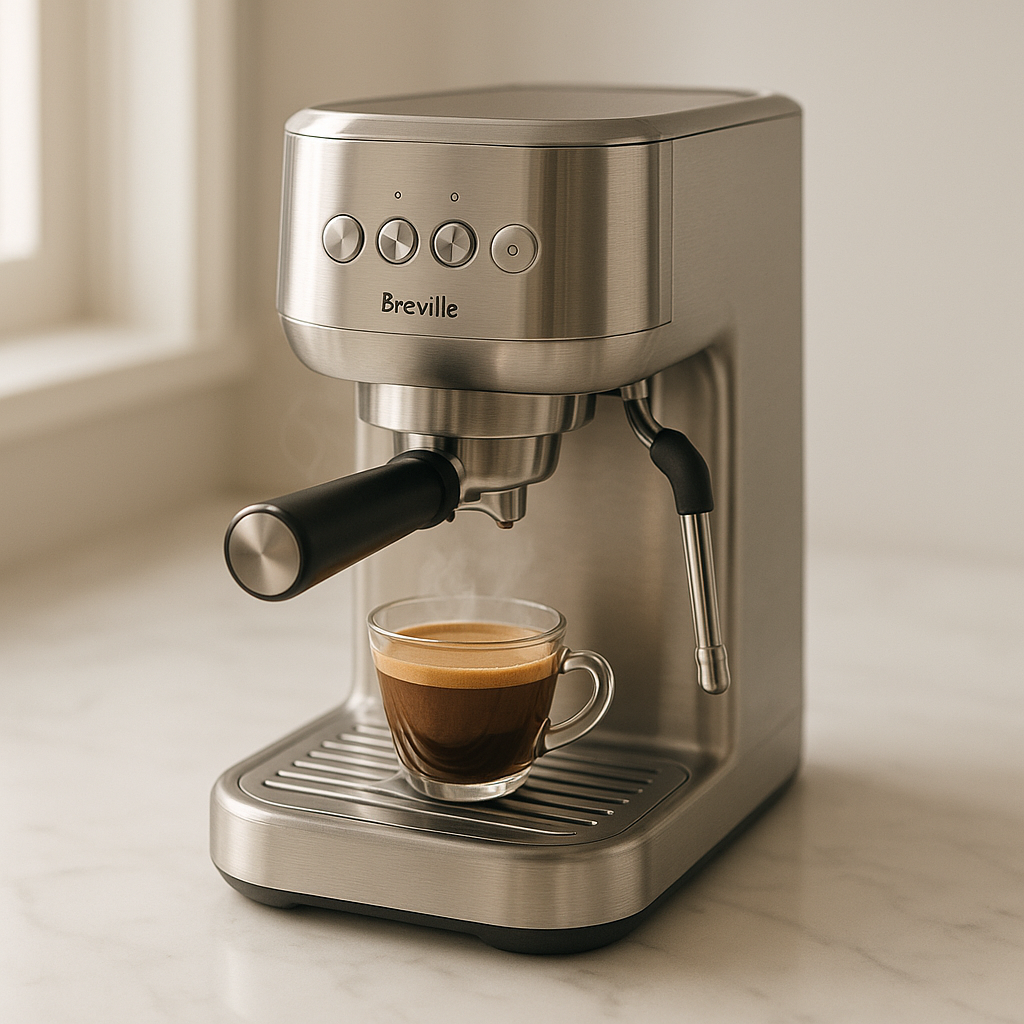
1. Breville Bambino Plus
Pros
- Heats up in 3 seconds flat
- Automatic milk steaming with temperature sensor
- Consistent shots with the pressurized basket while you learn
- Tiny footprint (won't eat your counter space)
- Excellent value at $500
Cons
- 54mm portafilter (not the 58mm standard)
- The included tamper is plastic and terrible — budget for an upgrade
- No built-in grinder (you'll need a separate one)
Who it's for: The aspiring home barista who wants great espresso without a steep learning curve. You'll make better lattes at home than 80% of cafes within a week.
Best paired with: Baratza Encore ESP grinder (~$199)
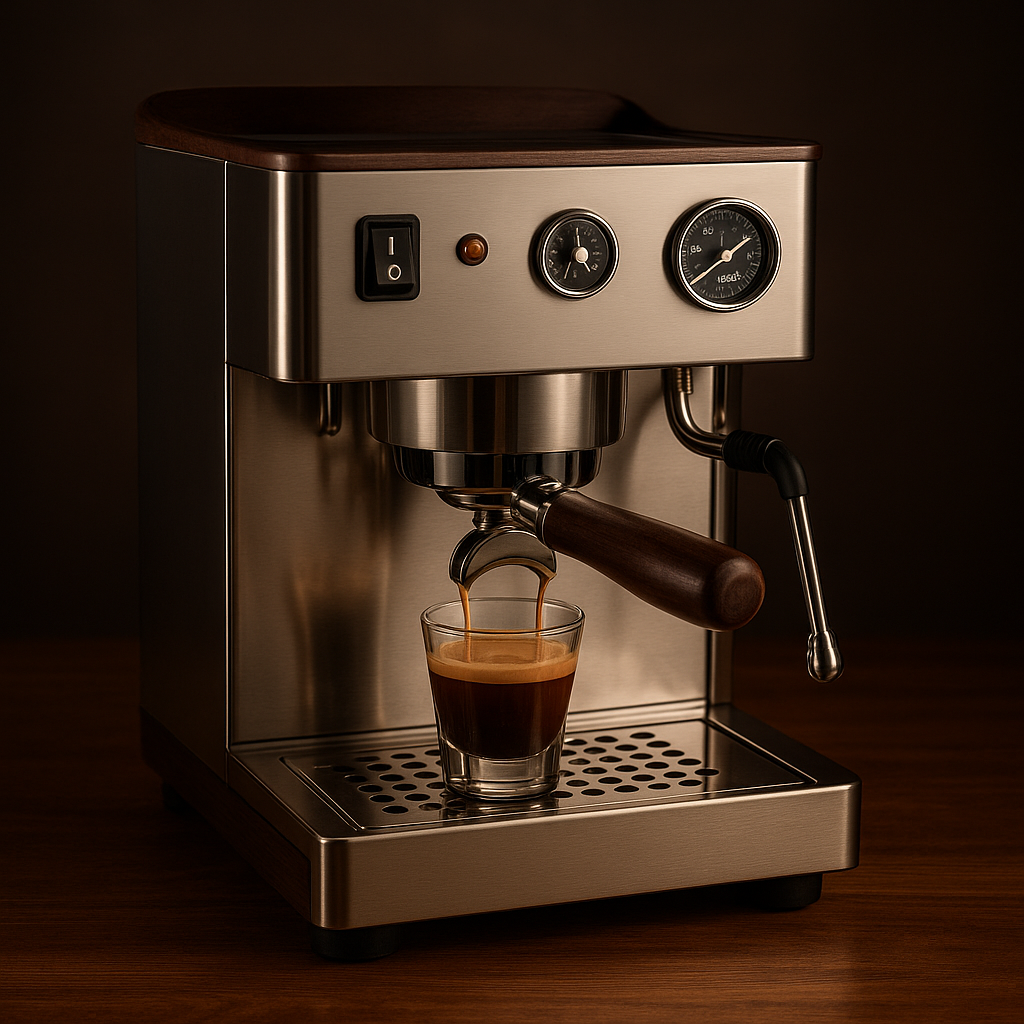
2. Gaggia Classic Pro E24
Pros
- 58mm commercial portafilter (compatible with all the good accessories)
- Professional steam wand
- Simple, durable design built to last 10+ years
- Massive modding community (add PID, OPV mods, etc.)
- Excellent value
Cons
- No PID out of the box — you'll need to learn "temperature surfing"
- Single boiler (wait between brewing and steaming)
- Requires a separate grinder
- The standard pressure is set too high from the factory (easy OPV mod fixes this)
Who it's for: The beginner who wants to grow with their machine. If you're the type who likes tinkering and learning the mechanics, the Gaggia is your machine.
Best paired with: Eureka Mignon Notte grinder (~$329)
3. De'Longhi Dedica EC685
Pros
- Very affordable at ~$299
- Compact and stylish design (fits in small kitchens)
- Quick 40-second heat-up
- Pressurized baskets let you use pre-ground coffee
- Panarello steam wand is easy for beginners
Cons
- 15-bar pump is too high (causes channeling with non-pressurized baskets)
- Steam wand is basic — don't expect latte art
- Small drip tray fills quickly
- No built-in grinder
Who it's for: Budget-conscious beginners dipping their toes into espresso. Be aware: you'll likely want to upgrade within a year if you get serious.
Best paired with: 1Zpresso J-Max manual grinder (~$159)
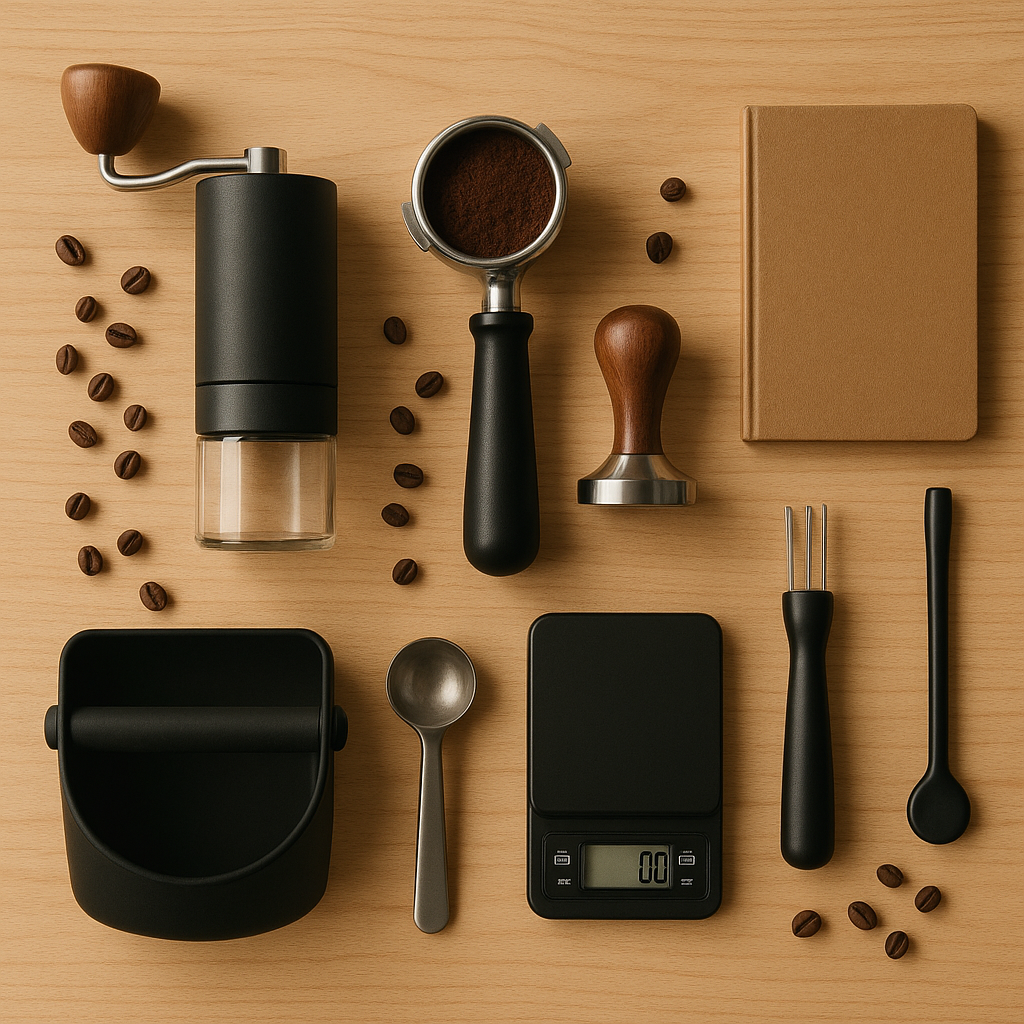
4. Flair Classic
Pros
- Incredible espresso quality at $159
- Total control over every variable (pressure, pre-infusion, flow)
- No electricity required (portable, quiet, elegant)
- Easy to clean
- Teaches you how espresso actually works
Cons
- Steep learning curve
- No milk steaming capability
- Takes time per shot (not for rushing in the morning)
- Requires a separate kettle
Who it's for: The espresso purist who wants to understand the mechanics of extraction or has limited space/budget. Also great as a travel press.
Best paired with: 1Zpresso J-Max manual grinder ($159) — whole setup for ~$318
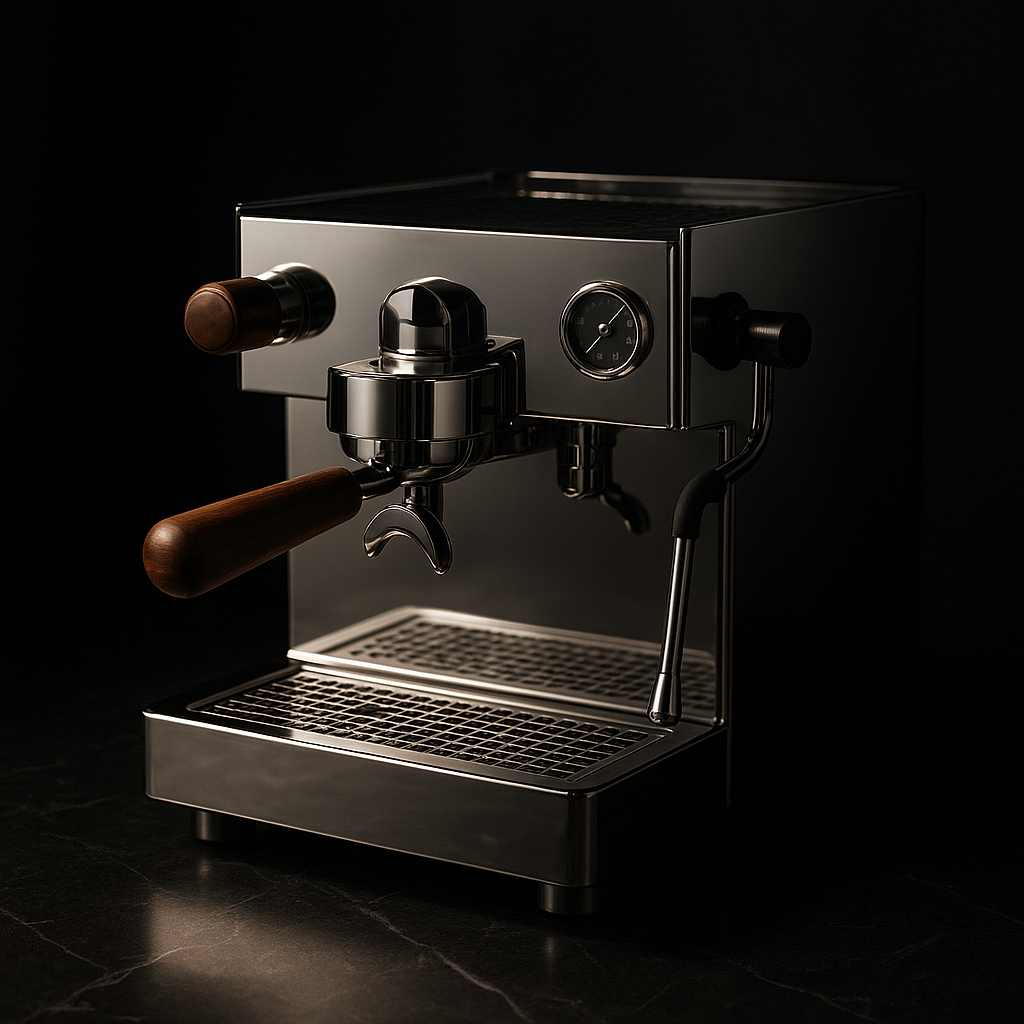
5. Breville Barista Express
Pros
- Built-in grinder — everything in one box
- Integrated tamper (magnetic, always within reach)
- Consistent temperature control
- Good steam wand for latte art practice
- You're making espresso 10 minutes after unboxing
Cons
- The built-in grinder is adequate, not great (grind retention is a known issue)
- 54mm portafilter (not the 58mm standard)
- Large footprint on the counter
- At $749, you're paying for convenience over pure quality
Who it's for: The beginner who wants an all-in-one solution and values convenience. You'll make good espresso with zero fuss.
Best paired with: Built-in (adequate for first year or two)
Comparison Table: Beginner Espresso Machines 2026
| Machine | Price | Portafilter | Steam Wand | Heat-Up | Grinder | Best For |
|---|---|---|---|---|---|---|
| Breville Bambino Plus | $499 | 54mm | Auto/Manual | 3 sec | No | Overall best beginner |
| Gaggia Classic Pro E24 | $499 | 58mm | Professional | 10 min | No | Tinkerers & growers |
| De'Longhi Dedica | $299 | 51mm | Panarello | 40 sec | No | Tight budget |
| Flair Classic | $159 | Manual | None | Kettle | No | Espresso purists |
| Breville Barista Express | $749 | 54mm | Professional | 30 sec | Yes | All-in-one convenience |
What to Avoid: 3 Mistakes First-Time Buyers Make
Buying a $100 "espresso machine"
If it's under $100 and calls itself an espresso machine, it's a steam-pressure toy that doesn't generate enough pressure for real espresso. You'll get bitter, watery coffee and wonder why you bothered. If your budget is truly $100, buy an Aeropress or Moka pot instead — they make excellent strong coffee without pretending to be espresso.
Spending everything on the machine and nothing on the grinder
Here's the most important sentence in this entire guide: a $500 machine with a $300 grinder makes better espresso than a $2,000 machine with pre-ground coffee. Fresh grinding is non-negotiable. Budget at least $150-200 for a grinder. If you can only afford a $500 total setup, spend $300 on the grinder and $200 on the machine.
Ignoring water quality
Hard water destroys espresso machines. The minerals build up inside the boiler and pipes, eventually clogging them permanently. Use filtered water from day one. A $30 water filter pitcher saves you from a $300 descaling repair.
The Grinder Rule: Don't Skip This
"Freshly ground coffee is the single biggest factor in espresso quality. Period."
Pre-ground coffee starts losing flavor within 15 minutes of grinding. By day 3, it's flat and lifeless. A burr grinder — even an entry-level one — will dramatically improve your espresso compared to buying pre-ground.
Our grinder picks by budget:
- Under $200: Baratza Encore ESP — the best entry-level espresso grinder
- Under $350: Eureka Mignon Notte — excellent build quality, stepless adjustment
- Manual option: 1Zpresso J-Max ($159) — as good as electric grinders costing twice as much
How Much Should You Actually Spend?
Our recommended total budget for a beginner setup:
| Budget Tier | Machine | Grinder | Total |
|---|---|---|---|
| Minimalist | Flair Classic ($159) | 1Zpresso J-Max ($159) | $318 |
| Solid Start | Breville Bambino Plus ($499) | Baratza Encore ESP ($199) | $698 |
| Growth Setup | Gaggia Classic Pro ($499) | Eureka Mignon Notte ($329) | $828 |
| All-in-One | Breville Barista Express ($749) | (included) | $749 |
The sweet spot for most beginners is the Solid Start tier at $698. You get a great machine, a real grinder, and room to grow.
More from the Sippers Paradise Blog
How to Make Latte Art at Home: A Complete Beginner's Guide →Turn Your Machine Into Cafe-Quality Drinks
Buying the machine is step one. The Sippers Paradise Complete Guide bridges the gap between owning a machine and actually making drinks you're proud of — 52 tested recipes, latte art tutorials, printable cheat sheets, and more.
Last updated: 2026. Some links may be affiliate links. We only recommend products we've tested and genuinely believe in.